UEA 2016 — Questão 10 · Leitura e interpretação de texto
Leitura e interpretação de texto
UEA Macro 2016 · Inglês
Carbon dioxide levels reach a new peak
October 25, 2016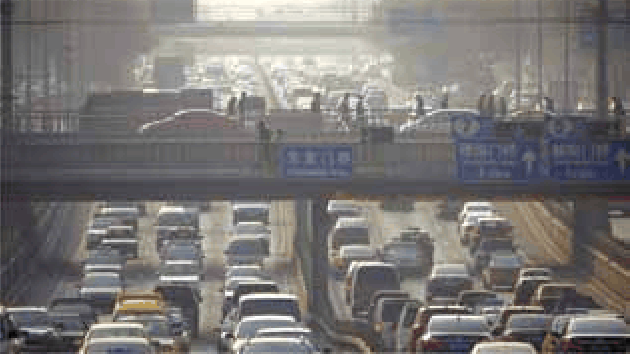 The sudden jump in carbon dioxide levels can be blamed on El Niño.
Across the globe, carbon dioxide (CO₂) average levels are expected to reach the symbolic and significant milestone of 400 parts per million for the first time in 2016. The sudden jump in carbon dioxide levels can be blamed on the El Niño conditions, which developed in 2015 and had a large influence on the weather for the first half of 2016.
El Niño is the warming of the surface of the Pacific Ocean, which is known to have a dramatic effect on the weather around the globe. One of the impacts of El Niño is a drought in tropical parts of the world. In a drought, the growth of vegetation slows, which reduces its ability to absorb carbon dioxide.
Normally, tropical forests absorb significant amount of carbon dioxide. It is estimated that about half of all carbon dioxide emissions are absorbed by natural absorbers, known as 'sinks', such as forests, vegetation and the oceans. In a drought, less carbon dioxide is absorbed, so the levels of the gas in the atmosphere increases.
(www.aljazeera.com. Adaptado.)
De acordo com o texto, o fenômeno climático El Niño
October 25, 2016
The sudden jump in carbon dioxide levels can be blamed on El Niño.Across the globe, carbon dioxide (CO₂) average levels are expected to reach the symbolic and significant milestone of 400 parts per million for the first time in 2016. The sudden jump in carbon dioxide levels can be blamed on the El Niño conditions, which developed in 2015 and had a large influence on the weather for the first half of 2016.
El Niño is the warming of the surface of the Pacific Ocean, which is known to have a dramatic effect on the weather around the globe. One of the impacts of El Niño is a drought in tropical parts of the world. In a drought, the growth of vegetation slows, which reduces its ability to absorb carbon dioxide.
Normally, tropical forests absorb significant amount of carbon dioxide. It is estimated that about half of all carbon dioxide emissions are absorbed by natural absorbers, known as 'sinks', such as forests, vegetation and the oceans. In a drought, less carbon dioxide is absorbed, so the levels of the gas in the atmosphere increases.
(www.aljazeera.com. Adaptado.)
De acordo com o texto, o fenômeno climático El Niño
Alternativas
- Aconsiste do aquecimento da superfície do Oceano Pacífico.
- Baumenta a incidência de chuva que, por sua vez, influencia o crescimento da vegetação.
- Cpromove a absorção do dióxido de carbono.
- Dtorna o clima global mais ameno.
- Eafeta as marés do Oceano Pacífico e causa inundações.
Consulte a resposta
Visitantes podem consultar seis questões. Com uma conta gratuita, consulte até 20 por dia; no plano pago, todas sem limite.
Fonte: UEA Macro 2016 · Consultar referência